A Sensory-Friendly Halloween: Costumes, Candy and Trick-or-Treating Without a Meltdown
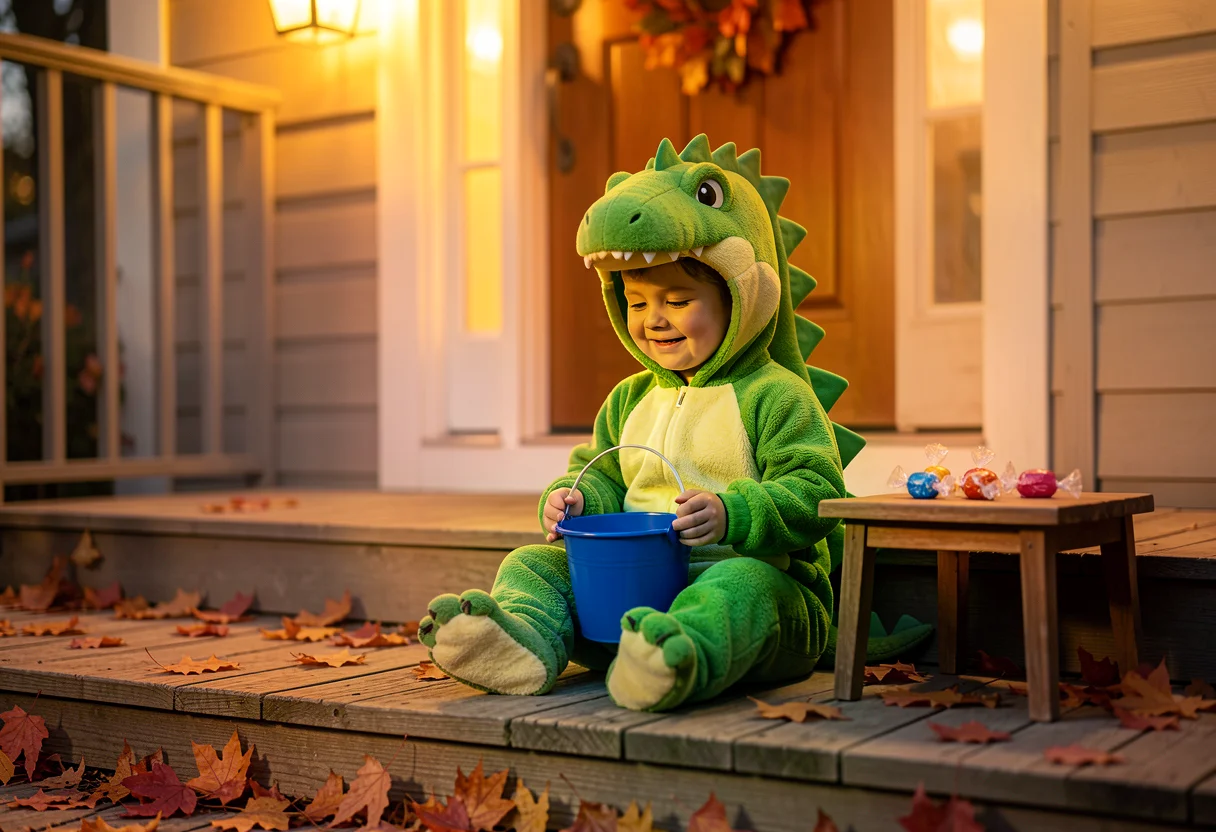
As a Board Certified Behavior Analyst (BCBA) and RBA (Ont.) who has also raised an autistic young adult in the Western GTA, I have one job every late October: make Halloween a good day for my child. It is one of the hardest nights of the year, because it piles almost every sensory load onto a single evening, bright moving lights, loud noise, a bigger crowd than usual, doors opening on strangers, and a costume that may not feel right against the skin. You do not have to do a "normal" Halloween. You just have to do one that fits your child.
Quick Summary:
- The goal is a Halloween that fits your child's comfort level, not a "normal" one.
- Start early: a costume trial run, a short social story, a route dry-run, and a plan for the non-speaking "trick-or-treat."
- It is always okay to skip trick-or-treating. Handing out candy, a trunk-or-treat, or a quiet night at home all count.
- Safety is simple: a photo of your child in costume, some ID, and a way to be seen after dark.
1. Why Halloween Is a Big Sensory Day
Autistic children often process the world differently, and many experience sensory overload, a state where too much input at once becomes hard to manage. Halloween is a worst-case stack of that. The lights are brighter and moving, the noise is louder, the crowd is bigger, the decorations are unfamiliar and sometimes startling, and the whole routine is new. A child who handles a busy school day with no trouble can still find one hour on a decorated street overwhelming. That is not a behaviour problem. It is a real sensory load, which is exactly why you plan for it. If you are new to this, our guide to sensory processing differences is the place to start.
2. Start Planning Early: Costume, Story, and Route
Most of what makes Halloween go well happens weeks before the night. Start with the costume. Let your child pick it, and choose one tied to a special interest if they have one. Then have them wear it a few times at home, tags cut out, so they learn how it feels before the real thing. If it is itchy or too tight, fix it now, not on the night.
The second piece is a social story, a short visual story that walks through what will happen, step by step: getting dressed, going to the houses, knocking, waiting, getting candy, saying thank you, coming home. The OHSU autism team and Seattle Children's both recommend social stories and practice runs for exactly this, because they turn the unknown into the known.
Third, do a dry run of the route. Walk it in daylight, pick a handful of familiar homes, and avoid the houses with the loud, scary setups if they get to your child. A simple visual map of the houses, with a box to tick as you go, tells your child how long this will last. Decorate your own place slowly too, one or two things at a time, if the sudden change bothers them.
3. The Night Itself: Keeping the Sensory Load Manageable
Get out early. If your child is bothered by the dark, go while there is still daylight, and carry a flashlight for the walk home. Keep the whole thing short. A handful of houses is a win, not a failure. Pack the comfort items: noise-reducing headphones or earplugs, a fidget or a special toy, and a snack they like, so a low blood sugar is not quietly making everything harder.
The first year I planned this properly, we left in the afternoon, well before the street's lights came on, because the route had gone from fun to a sensory wall by dark. We went the next year at the same early hour and it was fine. Timing was the whole trick.
Have a candy plan. Decide before you go how much they will eat that night, what they will do with candy they do not like, and that they can set most of it aside for later. According to the CHOC autism and neurodevelopmental team, swapping a few pieces for a small toy or sticker is a perfectly fine move, and you can pocket some swaps to trade in for the treats your child will not eat.
Watch the signals. If your child starts covering their ears, pulling away, or going flat, you are past the line. Head home. A short good night beats a long bad one.
4. When Your Child Does Not Speak: The Card and the Blue Bucket
Some autistic children do not use spoken language, and that is completely fine. The trick-or-treat line is not the point of the night. The candy and the fun are. The simplest fix is a card your child can hold out at the door, one that says "trick-or-treat" or "I am non-speaking." You or a sibling can also just say the line with them. Autism Speaks even prints a non-speaking trick-or-treat sign for this, and our guide to non-speaking communication covers AAC (a device-based way to communicate) and PECS (a picture-exchange system) in more depth.
Then there is the blue bucket. Some families use a blue trick-or-treat bucket as a quiet signal that the child carrying it is autistic and may communicate differently. Neighbours who see it are asked to be patient and offer treats even if no words come out. It is a small thing, but for a child who does not speak, it can mean the whole route goes smoothly.
5. Safe-Tricking: A Photo, ID, and Being Seen After Dark
Before you leave, take a photo of your child in their full costume. If they get separated from you in a crowd, a current photo is the fastest way to say who they are and what they look like. Put a card in their pocket with your name and phone number, and add a bracelet or sticker with the same if you can.
Make them easy to find in the dark. Glow sticks, light-up sneakers, or a strip of reflective tape on a dark costume all work. Wear something that stands out so they can always spot you in a crowd. These are the same basics the CHOC team lists, and they take a few minutes to set up.
6. When Trick-or-Treating Is Too Much
Sometimes the plan is the best you can do and it is still too much. That is allowed. Dr. Jina Jang, a psychologist at the CHOC autism and neurodevelopmental centre, puts it plainly: if trick-or-treating is too much for your child, that is okay, and you should do what is right for your family without fearing you are missing out. You are not failing by choosing a quieter night.
There are plenty of other ways to have a Halloween. Sit on the front step and hand out candy to the kids who come to your door, which is often calmer than going door to door. Look for a trunk-or-treat, where families decorate car trunks in a parking lot and kids treat from car to car, usually in daylight. Or stay home: paint a pumpkin instead of carving one, watch a movie, have a costume night with just the family.
If the night does tip toward a meltdown, the goal is to get out of the load, not to push through. Our guide to meltdowns versus tantrums is the one to keep handy for that. And this is not a one-year problem you are solving. As your child gets older and more independent, the same tools, the story, the dry run, the plan for a no-go, will keep working, and you will tune them year to year.
7. How Xable Supports Families in the Western GTA
Here in the Western GTA, we treat Halloween like any other big transition for your child, which means we plan it. Before the night we can help build the social story, run a route dry run, and set up the non-speaking card or AAC display so your child knows exactly what is happening. Our occupational therapists can look at the sensory side, the costume, the noise, the lights, and suggest the specific supports that fit your child. If the whole thing is a lot, we can help you make the call to do something smaller, without guilt. These are practical, at-home strategies, not treatment. If the sensory load is tied to something bigger, that is a conversation for your child's therapist.
Start Planning Your Halloween Now
You do not need a perfect Halloween. You need a plan that respects how your child experiences the night, and you can build that in an afternoon. Start with the costume and a dry run this week, write down the one or two things your child finds hardest, and decide in advance what "too much" looks like and what you will do when you see it. If you would like a hand with the social story, the AAC card, or the sensory plan, we are here.
Contact Xable
- Phone: (289) 430-5730
- Email: info@xable.ca
- Website: xable.ca

Afsheen Sheikh
Managing Director & Behaviour Consultant | M.Sc., M.B.A., B.C.B.A., R.B.A. (Ont.)
Afsheen’s journey into special needs therapy began over 20 years ago following her son's autism diagnosis. Combining personal parent perspective with extensive clinical practice, she provides evidence-based, compassionate, and neurodiversity-affirming care for families across Mississauga, Oakville, Brampton, Milton, Burlington, and Etobicoke.
Navigating the Ontario Autism Program?
Get personalized support for OAP funding allocations, ABA/IBI therapy, speech-language therapy, and life skills programs across Mississauga, Oakville, Brampton, Milton, Burlington, and Etobicoke.
Related Articles
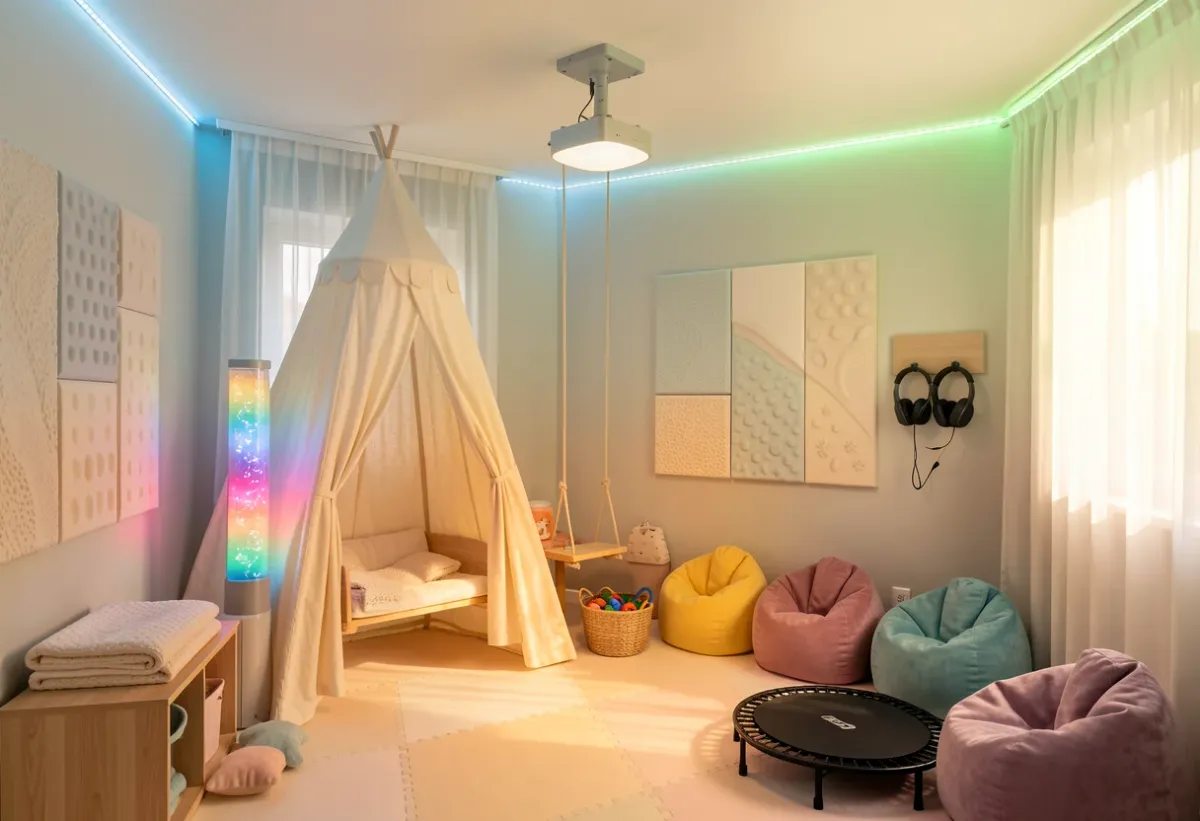
Sensory Processing & Overload: A Parent's Complete Guide to Home & Community Strategies
Understand sensory seeking vs avoiding, spot sensory overload triggers, and build a sensory-friendly environment at home and in public.
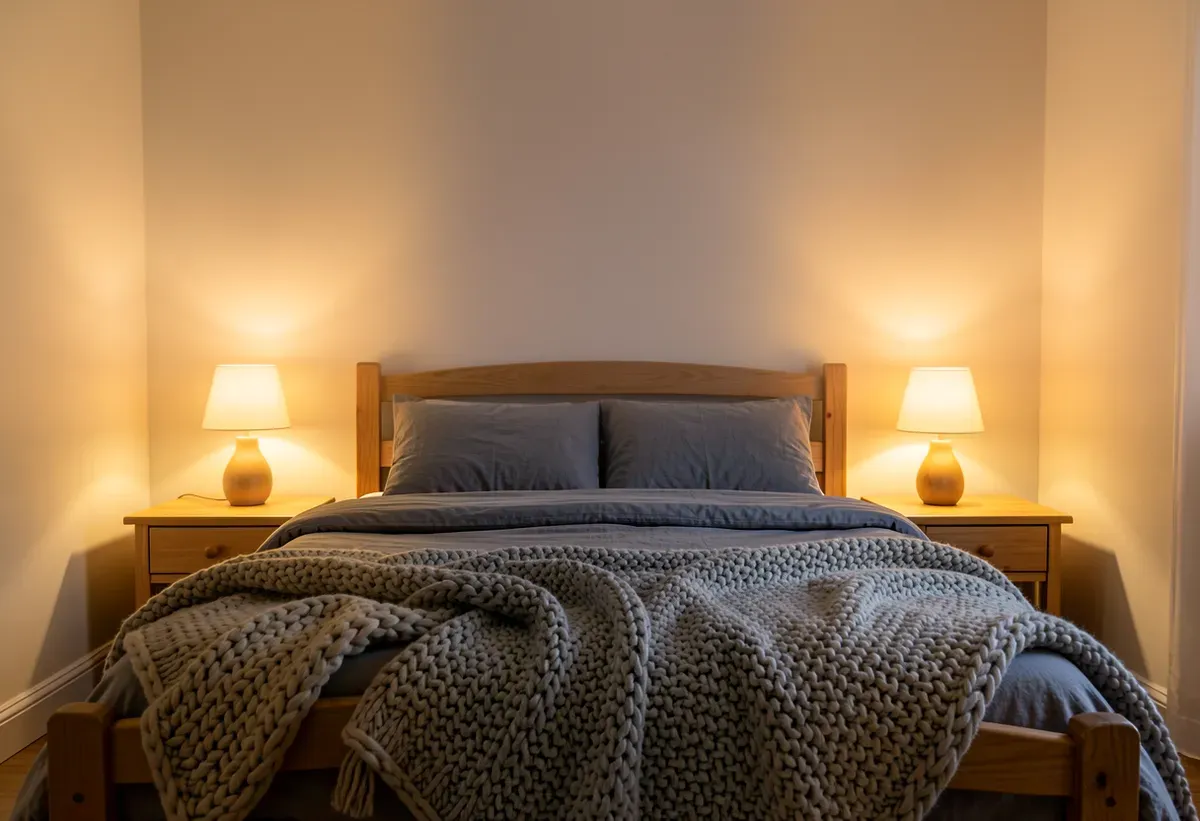
Sleep Solutions for Autistic Children: Evening Routines That Actually Work
Up to 80% of autistic children struggle with sleep. Learn why, plus evidence-based evening routines and sensory strategies from a BCBA and parent.

Picky Eating and Food Aversions in Autism: Sensory-Friendly Tips Every Parent Needs
Why autistic children develop food aversions, evidence-based feeding strategies from ABA and OT, and a sensory-friendly mealtime routine.