Sleep Solutions for Autistic Children: Evening Routines That Actually Work
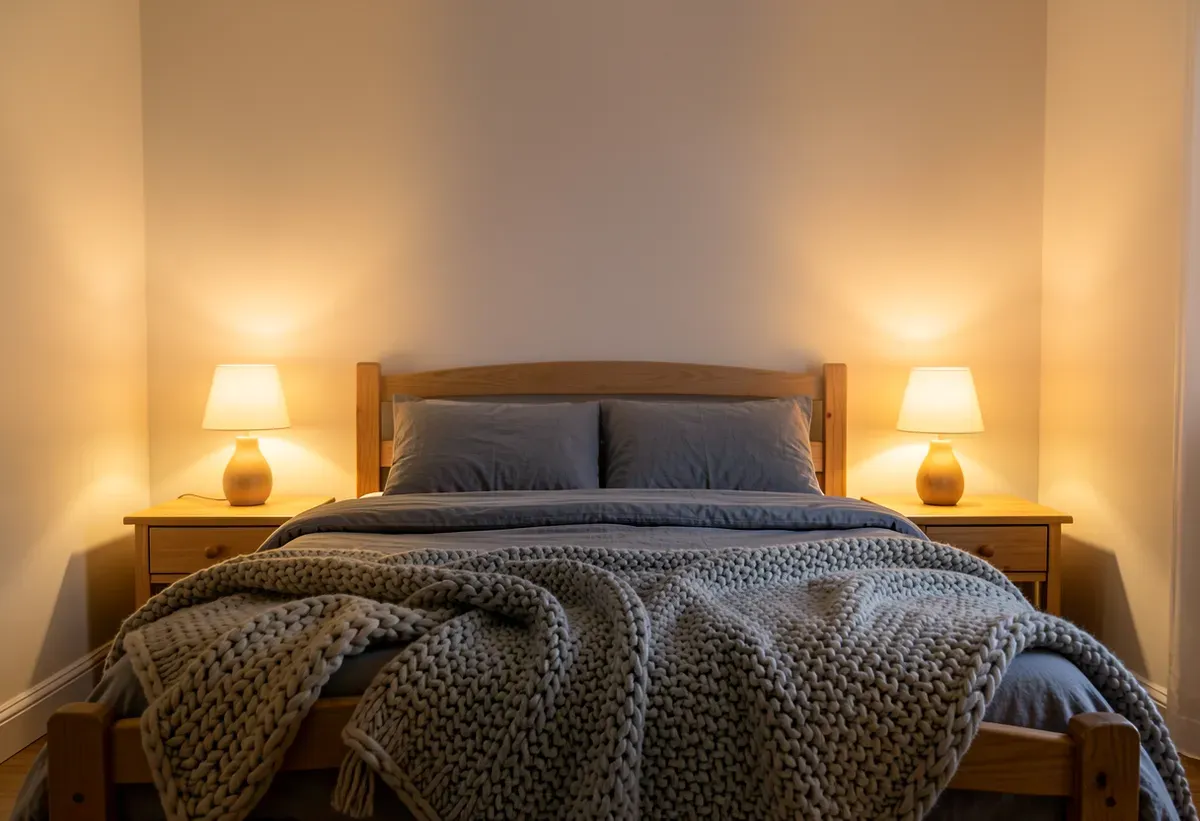
If bedtime in your house ends with negotiation, escalation, or hours of your child wandering their room while you lie awake listening — you are far from alone. Sleep problems are common in autistic children, with prevalence estimates generally falling between 40 and 80 percent, compared with roughly 20 to 40 percent of typically developing children (Sidhu et al., Pediatric Clinics of North America, 2024). The exact proportion depends on how sleep problems are measured and how "autistic children" are defined in each study, so treat the range as the honest picture rather than any single number. As a Board Certified Behavior Analyst (BCBA) and the parent of an autistic young adult who spent years fighting sleep, I can tell you with confidence: this is not bad parenting, and it is not something your child is doing to you.
Sleep is one of the most treatable challenges we see, yet families are often told simply to "be consistent" and left without a plan. Here is what actually works.
Quick Summary:
- Autistic sleep struggles usually have real causes — circadian differences, sensory sensitivities, anxiety, and difficulty with transitions — not defiance.
- A visual, predictable bedtime routine is the single most effective strategy families can build at home.
- Sleep problems are a common trigger for evening meltdowns; learn to tell them apart in our guide on Autism Meltdowns vs. Tantrums.
- Bedtime routines are a core life skill worth building deliberately — see Building Independence: Why Life Skills Training Is Essential for Autistic Children & Youth.
1. Why Sleep Is Harder for Autistic Children
Research suggests many autistic children produce melatonin differently or on a shifted schedule, meaning their bodies genuinely do not receive the "sleepy" signal at a conventional bedtime. This is biology, not behaviour.
On top of that, autistic children often face transition difficulty — moving from play to bath to bed requires a series of changes many neurotypical children absorb without effort. Sensory sensitivities compound the problem: tags on pajamas, the hum of a refrigerator downstairs, a hallway light that is slightly too bright, or bedding that feels scratchy can each hold a child awake at full alert.
Anxiety and circadian rhythm differences also play a role, particularly for children who are anxious about separations at night or who have an internal body clock running later than the household schedule. If your child's sleep struggles seem tied to overwhelming sensory input during the wind-down period, our sensory processing and overload guide explains how to audit the bedroom environment systematically.
2. Building an Evening Routine That Holds
The most effective home strategy is a visually supported, predictable bedtime routine — and with September back-to-school season upon us across Oakville, Mississauga, Brampton, Milton, Burlington, and Etobicoke, now is the perfect time to rebuild one.
Keep the routine short (four to six steps), identical every night, and taught explicitly rather than assumed. A visual schedule with photos or icons — "bath, pajamas, teeth, two books, lights out" — lets the schedule be the boss instead of a parent's repeated reminders. Start the routine at least an hour before target sleep time; autistic children often need a longer runway to downshift.
Two rules matter enormously. First, cut screens 60 minutes before bed — blue light suppresses melatonin further, and fast-paced apps raise arousal exactly when you need calm. Second, pick one anchor activity that regulates the nervous system: a warm bath, weighted blanket (if your child seeks deep pressure), or the same quiet audio story each night.
3. Responding to Bedtime Behaviours
When your child comes out of their room repeatedly, stalls with "one more water," or escalates when lights go out, stay calm and boring. Briefly, warmly, and identically every time, walk them back to bed. Variable responses — sometimes negotiating, sometimes giving in — accidentally reinforce the behaviour because your child learns that persistence pays off.
If bedtime routinely ends in screaming, arching, or crying that looks beyond typical stalling, it helps to know whether you are managing exhaustion-driven overwhelm or goal-directed behaviour. Our guide on Autism Meltdowns vs. Tantrums walks through how to read the difference in real time, because the response that helps a meltdown is very different from the response that helps stalling.
Keep a simple two-week sleep diary — bedtime, sleep latency, night wakings, morning time. Patterns jump out quickly, and the diary becomes invaluable information for any clinician you work with later.
4. When to Bring in Professional Support
See your pediatrician first to rule out medical contributors like pain, reflux, or sleep-disordered breathing — and discuss any supplement, including melatonin, with a physician rather than self-dosing. If medical causes are excluded and struggles persist beyond a few weeks of consistent routine work, structured behavioural sleep intervention can help. In Ontario, sleep-related behavioural goals can often be built into an OAP Core Clinical Services plan; our What Every Parent Should Know About the Ontario Autism Program (OAP) in 2026 explains how registered families access those services.
A BCBA can run a functional assessment of bedtime behaviours, and an occupational therapist can address sensory barriers keeping your child wired past lights-out.
5. How Xable Supports Better Sleep in Western GTA
At Xable, our Registered Behaviour Analysts (R.B.A., Ont.) and Occupational Therapists design individualized sleep plans — routine shaping, gradual extinction approaches where appropriate, sensory diet adjustments for the evening, and parent coaching so the plan survives contact with real family life. We serve families across the Western GTA, in-centre and in-home.
Start Improving Sleep This Week
Pick one change to start tonight: build the visual schedule, move screens out of the last hour, or begin the sleep diary. Small consistent steps outperform dramatic overhauls — I have watched it happen hundreds of times, including in my own home.
Contact Xable
- Phone: (289) 430-5730
- Email: info@xable.ca
- Website: xable.ca

Afsheen Sheikh
Managing Director & Behaviour Consultant | M.Sc., M.B.A., B.C.B.A., R.B.A. (Ont.)
Afsheen’s journey into special needs therapy began over 20 years ago following her son's autism diagnosis. Combining personal parent perspective with extensive clinical practice, she provides evidence-based, compassionate, and neurodiversity-affirming care for families across Mississauga, Oakville, Brampton, Milton, Burlington, and Etobicoke.
Navigating the Ontario Autism Program?
Get personalized support for OAP funding allocations, ABA/IBI therapy, speech-language therapy, and life skills programs across Mississauga, Oakville, Brampton, Milton, Burlington, and Etobicoke.
Related Articles

Picky Eating and Food Aversions in Autism: Sensory-Friendly Tips Every Parent Needs
Why autistic children develop food aversions, evidence-based feeding strategies from ABA and OT, and a sensory-friendly mealtime routine.

Building Independence: Why Life Skills Training Is Essential for Autistic Children & Youth
Life skills are the foundation of lifelong independence. Discover practical strategies to teach daily routines, self-care, and community safety.
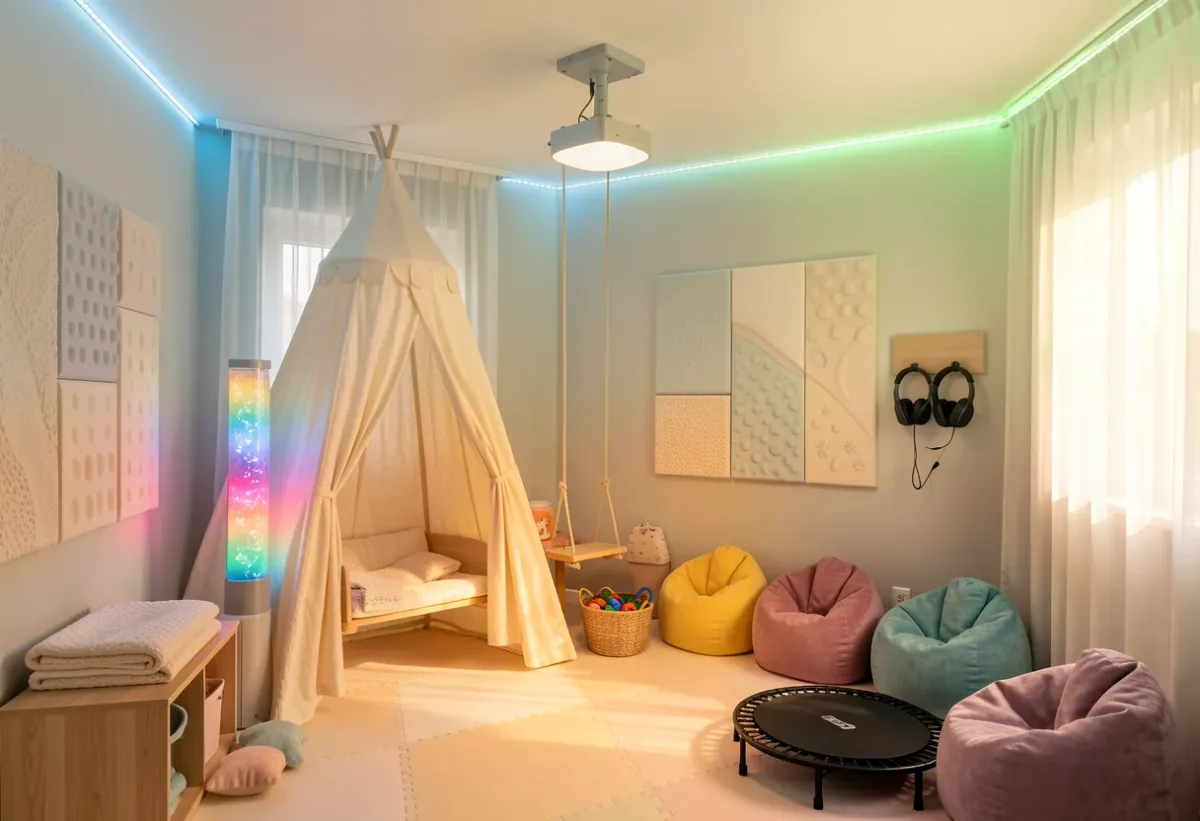
Sensory Processing & Overload: A Parent's Complete Guide to Home & Community Strategies
Understand sensory seeking vs avoiding, spot sensory overload triggers, and build a sensory-friendly environment at home and in public.