Understanding Modern ABA Therapy: What It Is, How It Works, and Why Evidence Matters
Applied Behaviour Analysis — or ABA therapy — is one of the most widely researched interventions for autistic children. Yet, it is also one of the most frequently discussed and misunderstood.
If you are a parent exploring therapy for your child in Ontario, you have likely encountered conflicting opinions online. As a Board Certified Behavior Analyst (BCBA), Registered Behaviour Analyst (R.B.A. Ont.), and parent of an autistic son, I believe parents deserve complete transparency regarding what modern ABA therapy actually looks like when practiced ethically.
Quick Summary:
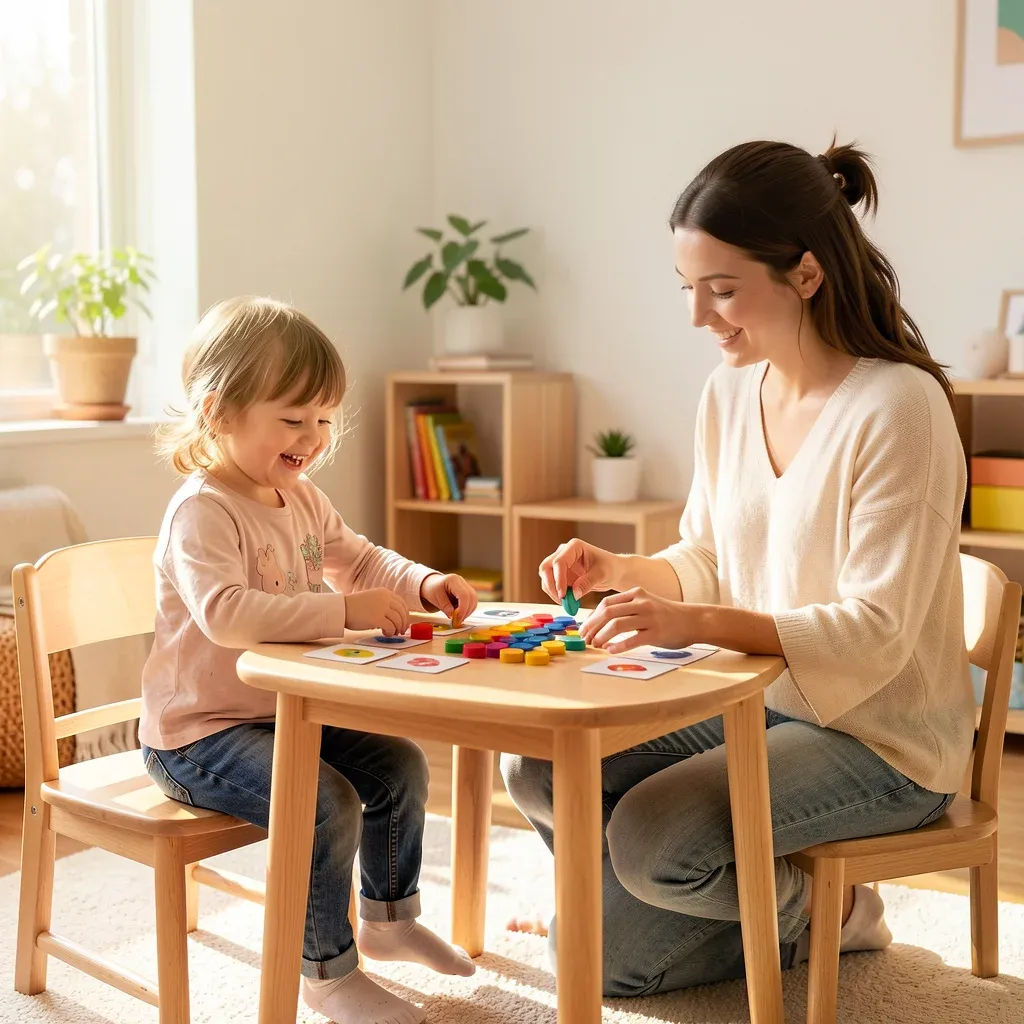
- Modern ABA is play-based and child-led, focusing on natural learning environments (NET) rather than repetitive table drills.
- The focus is on building functional skills (communication, emotional regulation, independence) — never forcing masking or suppressing natural stimming.
- In Ontario, ABA providers must be registered with the College of Psychologists and Behaviour Analysts of Ontario (CPBAO).
- Quality ABA works collaboratively alongside Speech-Language Pathologists (SLP) and Occupational Therapists (OT).
1. What Is Modern ABA Therapy?
At its core, ABA is a scientific framework focused on understanding how learning takes place and how environments can be adapted to support growth. It is not a rigid set of rules; rather, it is a individualized tool for teaching meaningful life skills.
Unlike traditional models from decades past, modern ABA is humane, person-centered, and neurodiversity-affirming.
Instead of asking, "How do we make this child conform?", modern ABA asks:
- "What is this child trying to communicate through their behaviour?"
- "What environmental adjustments can reduce stress for this child?"
- "How can we empower this child to express their needs and make choices?"
2. Play-Based vs. Traditional ABA: Key Differences
Many parents worry that ABA means sitting at a desk for hours doing repetitive flashcard drills (Discrete Trial Training). While structured teaching has its place for specific learning tasks, modern ABA prioritizes Natural Environment Teaching (NET).
| Traditional ABA (Outdated) | Modern ABA at Xable (Child-Centered) |
|---|---|
| Rigid, repetitive table tasks | Play-based, natural interactions following child's interests |
| Focus on compliance and eye contact | Focus on self-advocacy, choice, and functional communication |
| Attempting to eliminate stimming | Respecting stimming as self-regulation (unless unsafe) |
| Isolated therapist-led goals | Collaborative goals with parents, SLPs, and OTs |
3. Core Goals of Ethical ABA Therapy
Quality ABA therapy focuses exclusively on skills that improve a child's quality of life and independence:
- Functional Communication: Teaching verbal speech, gestures, PECS, or AAC devices so children can communicate wants, needs, and feelings without frustration. Learn how we combine AAC and speech therapy.
- Emotional Regulation & Meltdown Support: Helping children recognize internal states and build coping mechanisms before sensory overload leads to a meltdown. Read our guide on sensory overload vs. meltdowns.
- Daily Living & Life Skills: Mastering toothbrushing, dressing, mealtime, and safety awareness. Discover why life skills training is essential.
- Social Connection: Supporting genuine peer interactions without forcing masking. Explore building social skills authentically.
4. Addressing Common Parent Concerns
"Will ABA try to change who my child is?"
No. Ethical, neurodiversity-affirming ABA respects your child's unique personality, strengths, and identity. We do not attempt to stop harmless repetitive behaviours (stimming) or force eye contact. Our focus is helping your child thrive as their authentic self.
"How many hours of therapy does my child need?"
Therapy hours should always be individualized based on your child's age, goals, and daily schedule. Comprehensive intervention (often called IBI) may involve 15–25 hours per week for young children, while focused ABA may involve 4–10 hours weekly.
5. How to Spot a High-Quality ABA Provider in Ontario
When evaluating clinics across Mississauga, Oakville, Brampton, Milton, Burlington, or Etobicoke, look for these quality indicators:
- CPBAO Registration: Ensure the supervising Behaviour Analyst holds an active R.B.A. (Ont.) designation.
- Open-Door Policy: Parents should always be welcome to observe therapy sessions and participate in caregiver training.
- Assent-Based Practice: Therapists must respect a child's non-verbal cues (assent) and stop activities when a child indicates discomfort.
- Interdisciplinary Collaboration: Providers should actively collaborate with your child's school, Speech Therapist, and Occupational Therapist.
For a full checklist, read our guide on 10 questions to ask when choosing a therapy provider in the Western GTA.
How Xable Can Support Your Family
At Xable, our clinical services are led by experienced R.B.A. (Ont.) professionals who combine evidence-based science with deep parent empathy. We are an approved provider under the Ontario Autism Program (OAP).
If you're weighing up whether ABA therapy is right for your child, the Xable team is happy to talk through the evidence and the questions worth asking.
Contact Xable
- Phone: (289) 430-5730
- Email: info@xable.ca
- Website: xable.ca

Afsheen Sheikh
Managing Director & Behaviour Consultant | M.Sc., M.B.A., B.C.B.A., R.B.A. (Ont.)
Afsheen’s journey into special needs therapy began over 20 years ago following her son's autism diagnosis. Combining personal parent perspective with extensive clinical practice, she provides evidence-based, compassionate, and neurodiversity-affirming care for families across Mississauga, Oakville, Brampton, Milton, Burlington, and Etobicoke.
Navigating the Ontario Autism Program?
Get personalized support for OAP funding allocations, ABA/IBI therapy, speech-language therapy, and life skills programs across Mississauga, Oakville, Brampton, Milton, Burlington, and Etobicoke.
Related Articles

How to Choose the Right Therapy Provider in the Western GTA: Questions Every Parent Should Ask
How to choose a therapy provider for your autistic child in Western GTA: key questions to ask, OAP checks, red flags, and what a great provider looks like.

Building Authentic Social Skills: Helping Your Child Make Friends Without Masking
Discover how to support your autistic child's social connection, build genuine friendships, and avoid forced social masking.

How to Understand Skill Tags in Ontario Autism Program Funding
What OAP skill tags actually are, how they set your child's funding tier, and how to make sure their needs are captured.