What You Can Actually Spend OAP Funding On: A Parent's Guide to Eligible Expenses
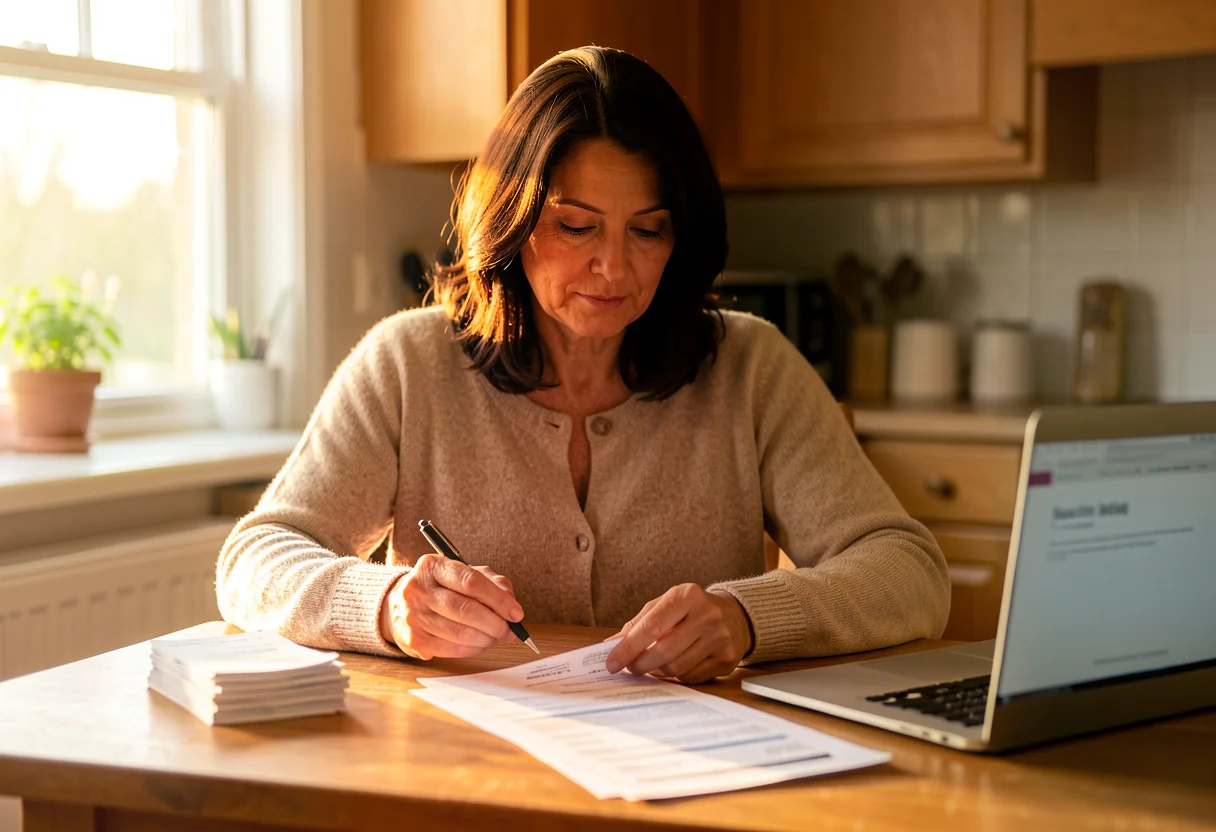
When the Ontario Autism Program releases funding into your account, the number in your AccessOAP portal is not a licence to buy anything autism-related. I have watched families spend an entire installment on things the program will not reimburse, and only find out when the expense report comes back months later. As a Board Certified Behavior Analyst (BCBA) and R.B.A. (Ont.) who has also raised an autistic young adult and signed off on more OAP funding agreements than I would like to recount, this is the list I wish someone had handed me before the first purchase.
Quick Summary:
- OAP core clinical services funding (the part of the program that pays for therapy) is narrower than the old childhood budget. It mainly covers clinical service-delivery hours, related supports, travel to access services, and, with a letter of recommendation, technology and therapy materials.
- Big-ticket ineligible items include home and household costs, food, clothing, vacations, internet and phone, tuition, daycare, vehicles, investments, and anything a primary caregiver delivers.
- Check another program first: OAP expects you to see whether a device or material can be loaned or covered elsewhere, and will not reimburse something already received through ODSP.
- Allocations over $25,000 a year are paid in installments of up to $25,000 each; you submit an expense form between them to release the next one.
- Keep every receipt. Ineligible spending, or spending without documentation, is taken back out of future OAP funding.
- Amounts and the eligible list come from the ontario.ca OAP core clinical services guidelines (updated September 10, 2026); re-check the current page before you spend.
- This applies in Ontario, Canada. These are Ontario program rules only.
1. Why The List Looks Different From What You Remember
If a family came through the OAP before around 2021, they may remember a childhood budget that could buy a surprising range of things: sensory equipment, camp fees, arts and craft supplies, even a trampoline. That list was real, but it belonged to an older model. Whether your child goes to school in Oakville, Mississauga, Brampton or elsewhere in the Western GTA, the funding that reaches your AccessOAP account runs on the same provincial rules, and those rules have changed. The current needs-based program runs on core clinical services, and its eligible-expenses list is built around service delivery, not a general autism shopping list.
The guidelines say it plainly: some eligible expenses under core clinical services are different from the previous criteria for childhood budgets and interim one-time funding. You can read the current list at the ontario.ca core clinical services guidelines, updated September 10, 2026. The single most useful thing you can do before spending is accept that the rules changed. What was reimbursable 2020 is not what is reimbursable now.
2. What OAP Funding Can Pay For
Within core clinical services, the funding is meant to follow your child's treatment plan. The eligible categories are:
- Service-delivery hours. Time a qualified provider spends with your child and family: assessing strengths and needs, delivering treatment, and consulting with you. Multidisciplinary collaboration between your child's providers, when it is directly tied to service delivery, also counts.
- Supports related to service delivery. Documentation and report writing, session preparation, interpretation and translation for case conferences, and staff training to support your child.
- Travel to access services. Getting to a provider, or paying a provider to come to you, within Ontario. This can include bus or train fare, parking, and mileage by private vehicle: at the current rates, $0.40 per kilometre for trips under 100 kilometres one-way and $0.41 per kilometre for longer trips (ontario.ca core clinical services guidelines, updated September 10, 2026).
- Technology. A computer, tablet, web camera, or software that your child needs for their goals, including augmentative and alternative communication (AAC, the tools that help a non-speaking child communicate) devices.
- Program materials and therapy equipment. The sensory, communication, and learning equipment that supports your child's goals.
The last two matter, so here is the catch. Technology and materials or equipment are eligible, but only when a regulated professional ties them to your child's assessed needs. On the ontario.ca core clinical services page, the rule is that invoices for technology, program materials, and therapy equipment must be submitted with a letter of recommendation (a short signed note from your provider explaining why this item fits your child's plan) from the regulated professional delivering or overseeing services. No letter, no reimbursement for those items.
3. What OAP Funding Cannot Pay For
This is the list families trip over, so I will lay it out. Under the same core clinical services guidelines (updated September 10, 2026), OAP funding cannot buy:
- Other therapies that are not part of your core clinical plan, such as physiotherapy, psychiatry, nursing, dietitians, personal training, massage therapy, or neurology.
- Housing and home costs: rent, furniture, renovations, housekeeping, pools, hot tubs, playground equipment.
- Household items and everyday electronics: appliances, televisions, musical instruments.
- Costs that replace family chores rather than support your child directly: cleaning, meal preparation, snow removal, caring for other family members.
- Personal or family vacations and holiday travel.
- Home phone, internet, and mobile phone service.
- Groceries, food, and restaurant meals.
- Clothing and personal goods: toiletries, spa and cosmetic services.
- Dental care.
- Vitamins, medical supplies, orthotics, supplements, incontinence supplies, and special diets.
- Anything already covered through the Ontario Disability Support Program (ODSP), such as drug benefits or medical aids.
- Private school tuition, tutoring, and college or university tuition.
- Daycare fees.
- Buying, leasing, or renting a vehicle.
- Advertising to find professionals.
- Investments, including contributions to an RRSP, RDSP, or RESP.
- Registering or buying a certified service or guide dog, and its ongoing care.
- Anything a primary caregiver delivers, regardless of their qualifications or where they live, and anything delivered by a child under 18.
- Cancellation fees for missed or cancelled sessions.
- Diagnostic and psychoeducational assessments.
- Travel not directly tied to accessing an eligible service.
- Fees paid to a third party just to manage your budget and payments.
- Anything bought outside your funding period, including before the start date or after the end date.
If you are ever unsure whether an item is on the right side of that line, the guidelines say to raise it with your care coordinator before you buy. That call is cheaper than a clawback.
4. Check Another Program First, The Double-Dip Rule
Before you claim a device or a piece of equipment through OAP, the guidelines ask you to determine whether it can be loaned to you or accessed through another funding program, and to consult your child's professionals to choose the right one. And the ineligible list is explicit: OAP will not reimburse a support you already received through ODSP.
In plain terms, OAP is not usually the first payer of record. If an assistive device, a piece of equipment, or a therapy cost could be met by private insurance, the Assistive Devices Program (ADP) (Ontario's program that funds certain devices), or ODSP, you generally sort that out first and use OAP for what is left. How these pieces fit with other supports is covered in our guide to financial relief beyond OAP, including SSAH, ACSD and the disability tax credit. When in doubt about how one benefit affects another, ask the benefit provider directly; the childhood-budget guidance tells families to contact their benefit providers about interactions with private and government benefits.
5. The Over $25,000 Installment Rule
Funding does not always arrive in one cheque. According to the core clinical services guidelines (updated September 10, 2026):
- If your allocation for the year is less than $25,000, you receive it in a single payment after you complete the determination of needs process (the annual interview that sets your funding level), and you submit an expense form and any required documentation to account for what you spent.
- If your allocation is more than $25,000, you receive it in installments of up to $25,000 each. You get the first installment after the determination of needs, and you must submit an expense form and documentation before the program releases the next one.
A larger allocation is still real money, but it comes in stages, and each new stage depends on you reporting the last one. The core clinical services guidelines are explicit that the next installment is released against the last expense report. Which 2026 allocations land over the $25,000 mark, and the age bands they belong to, are in our guide to OAP skill tags and 2026 funding amounts.
6. How To Submit Expenses And Keep The Funding
When it is time to report, you submit your expense form and supporting documentation through your AccessOAP account. Save every receipt, invoice, and proof of payment before you spend, not after. For technology, program materials, and therapy equipment, attach the letter of recommendation from your regulated provider. For a provider who is not on the OAP provider list, you may also need their signed attestation form attached.
Two things pull funding back. Spending on an ineligible item, and spending without documentation, are both subtracted from future OAP funding. Repeated non-compliance with your funding agreement can suspend or terminate it. The mechanics are not punitive so much as they are a condition of the money: the program releases funding against a plan, and it checks the receipts.
7. If A Claim Is Refused, Or Funding Is Clawed Back
Start low and work up. Raise the concern with your AccessOAP care coordination team first; most mismatches fix there. If it does not, the next step is the program's Independent Review Office, and some determination-of-needs disputes can move on to a third-party review. Our guide to OAP reassessment and renewal walks the full dispute and review path, including deadlines, because timing matters: concerns raised about a funding period generally have to be raised within that period.
None of this is legal or financial advice. It describes how the program administers funding; for a contested clawback, a disability-rights lawyer is worth the call, and for anything involving taxes or savings plans, an accountant. The eligible-expenses list and the amounts can change, so confirm the current ontario.ca OAP guidelines before you rely on a specific figure.
8. When A Clinician Can Help You Sort Eligible From Not
The age marker is the other thing to keep in view. OAP funding ends when your child turns 18, and after that the picture shifts to adult programs like DSO and ODSP, which have their own rules about what they will and will not cover. Our guide to transitioning an autistic youth to adulthood, including DSO and ODSP covers that next stage.
This is where a clinician earns their fee, and it is not therapy. An R.B.A. (Ont.) can look at a proposed purchase against your child's treatment plan, decide whether it is eligible, and write the letter of recommendation that technology and equipment require. When your child is non-speaking, an AAC specialist can make sure a communication device is tied to assessed needs rather than left vague, which is exactly what the expense form asks for. For families in the Western GTA, Xable's team handles exactly this kind of spending-and-documentation check, and we keep it focused on what your child needs, not on gaming a reimbursement.
Start Reviewing Your Next OAP Purchase
The cheapest version of this problem is the one you check before you buy. Before your next purchase, confirm it is on the current eligible-expenses list on ontario.ca. Keep every invoice with proof of payment in one folder. For technology or equipment, ask your provider for a letter of recommendation that names your child's goals. And submit through AccessOAP inside your funding period. If you are deciding between programs, start with your care coordinator and the Ontario Autism Program page, and bring your child's treatment plan, recent progress notes, and the receipts you already have.
Contact Xable
- Phone: (289) 430-5730
- Email: info@xable.ca
- Website: xable.ca

Afsheen Sheikh
Managing Director & Behaviour Consultant | M.Sc., M.B.A., B.C.B.A., R.B.A. (Ont.)
Afsheen’s journey into special needs therapy began over 20 years ago following her son's autism diagnosis. Combining personal parent perspective with extensive clinical practice, she provides evidence-based, compassionate, and neurodiversity-affirming care for families across the Halton and Peel regions.
Navigating the Ontario Autism Program?
Get personalized support for OAP funding allocations, ABA/IBI therapy, and life skills programs across the Halton and Peel regions — with coordinated care alongside speech-language pathologists and occupational therapists where needed.
Related Articles

How to Prepare for the Ontario Autism Program (OAP) Determination of Needs (DoN) Interview
A step-by-step guide to preparing for your AccessOAP Determination of Needs interview: what to expect, how to document needs, and how funding is set.
How to Understand Skill Tags in Ontario Autism Program Funding
What OAP skill tags actually are, how they set your child's funding tier, and how to make sure their needs are captured.

OAP Reassessment and Renewal: When Your Allocation Is Re-Determined
The Ontario Autism Program re-checks your child's needs and funding each year. Here's how the renewal works and what to do if you disagree with the outcome.